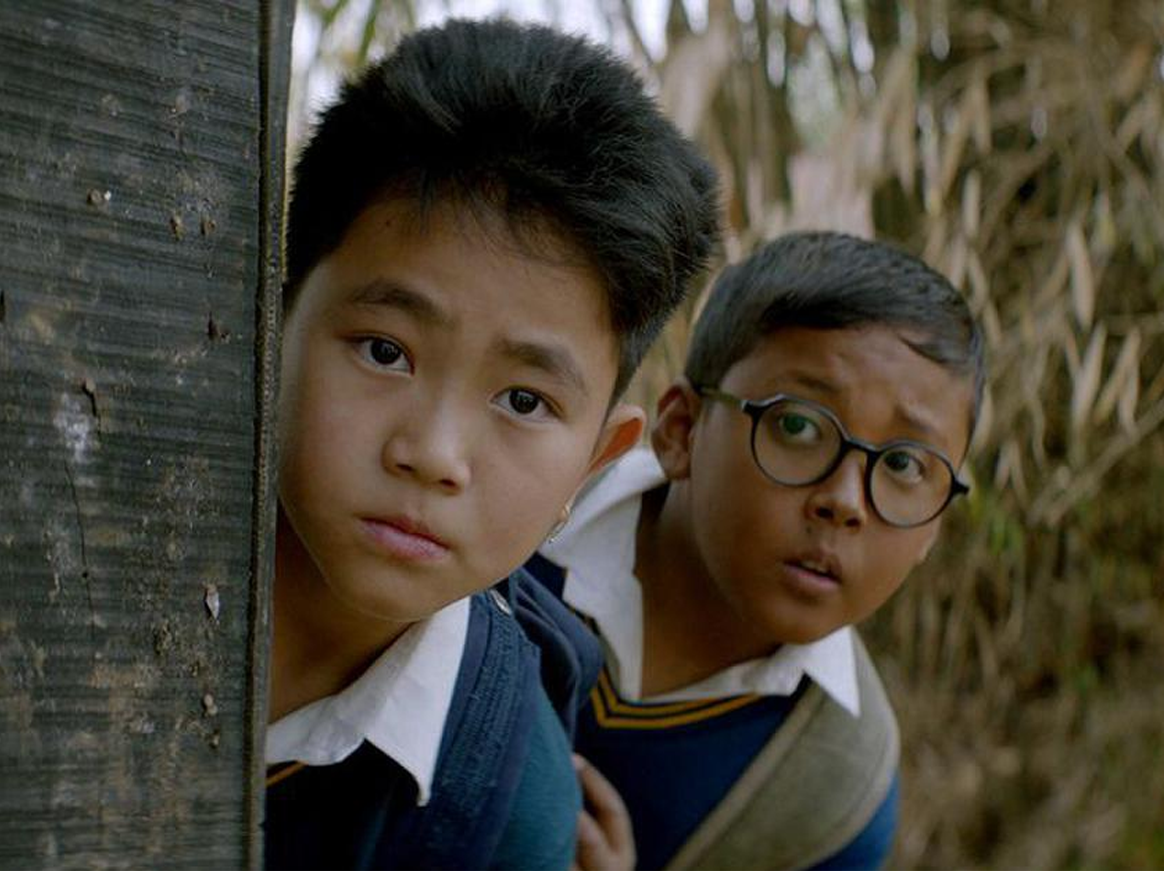
Boong is ten years old. His father went to expand his furniture business near the Myanmar border and disappeared. Boong decides the best gift he can give his mother is to find him — so he takes a slingshot, his best friend Raju, and walks a hundred miles into the valley.
This is the film that beat the field at the 2026 BAFTAs for Best Children's & Family Film — the first Indian film in any category ever to win a BAFTA. A Manipuri-language film, from a region living with conflict and displacement for decades, made by a first-time director and produced by Excel Entertainment. Boong didn't become something else to be understood internationally. It stayed exactly what it was. That is the entire argument.
Lakshmipriya Devi spent twenty years as a First Assistant Director before she made her own film — 1st AD on Farhan Akhtar's Lakshya (2004) and Rajkumar Hirani's PK (2014). The people who build the infrastructure of a film act before the director arrives: the ones who run the schedule, manage the crew, and solve problems at 4am so the director can think at 7am. That is what she did for twenty years.
Then she went home to Manipur, drew from her own childhood, cast children from her own community, and made Boong. She described the BAFTA win as "the last few steps to reach the summit of a mountain we never knew we were climbing." The mountain was always there. The summit was waiting.
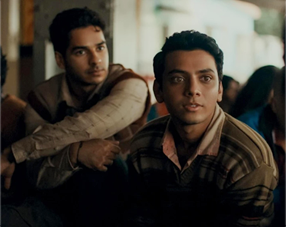
Neeraj Ghaywan is back with another deep meditation of the Indian human condition constantly triggered and probed by a system built to inflict suffering.
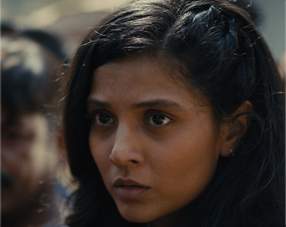
Uttara Singh turns her lens on sexuality and vulnerability through her treatise on the Big Indian Wedding.
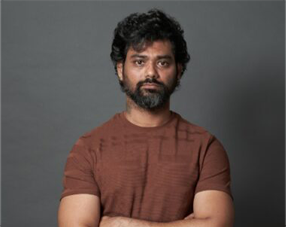
Rohan Kanawade on why he chose to challenge heartland sexuality and vulnerability in Sundance winner Sabar Bonda (Cactus Tears).
Indian studios fail and fail again to adopt the western franchise model and try to create universes out of paper-thin plots and characters.
Enter the Blip